Summer Is Coming: Why June Is a Smart Time to Start Orthodontics

Introduction
June is a busy month for most families. School is wrapping up, summer plans are coming together, and parents are juggling end-of-year events, sports, camps, vacations, and appointments.
Even though braces or Invisalign may not be the first thing on your mind, June is actually a good time to schedule an orthodontic consultation or start treatment.
Beginning before summer lets kids and teens get used to braces or aligners before school starts up again. It can also be easier to book early appointments without missing class.
Why June Gives Families a Helpful Head Start

June gives parents a helpful window for planning. It is close to summer, so schedules may soon be more flexible, but it is still early enough to ask questions, consider options, and decide whether treatment should start soon, later, or be watched for now.
When kids and teens start orthodontic treatment, there is usually a short adjustment period. Braces can feel strange at first. Teeth may be tender for a few days. Invisalign clear aligners require new habits, like wearing them consistently, removing them for meals, storing them safely, and putting them back in afterward.
Summer can make these adjustments easier.
Kids with new braces have time to figure out which foods are comfortable and how to brush around brackets and wires. Teens starting Invisalign can practice wearing and caring for their aligners before school lunches, sports, and social events, which can make the routine more complicated.
For Colorado families, June often fits well with summer planning. Whether you are preparing for camps, travel, outdoor activities, or a new school year in Aspen, Eagle, Glenwood Springs, Rifle, or nearby areas, starting before summer can make orthodontic care easier to manage.
An Orthodontic Visit Does Not Always Mean Treatment Starts Right Away
Parents should know that scheduling an orthodontic evaluation does not mean your child will automatically start braces or Invisalign. The visit is simply a way to see how your child’s teeth, bite, and jaw are developing.
The American Association of Orthodontists recommends that children have their first orthodontic checkup by age 7. Around this age, many children have a mix of baby and permanent teeth, which gives the orthodontist helpful information about how the bite is developing and whether treatment may be needed now, later, or not at all.
For some children, the best next step is to monitor growth. For others, early treatment may help address a developing problem. For many teens, full orthodontic treatment may be considered once more permanent teeth are in place.
Braces in June: What Families Can Expect
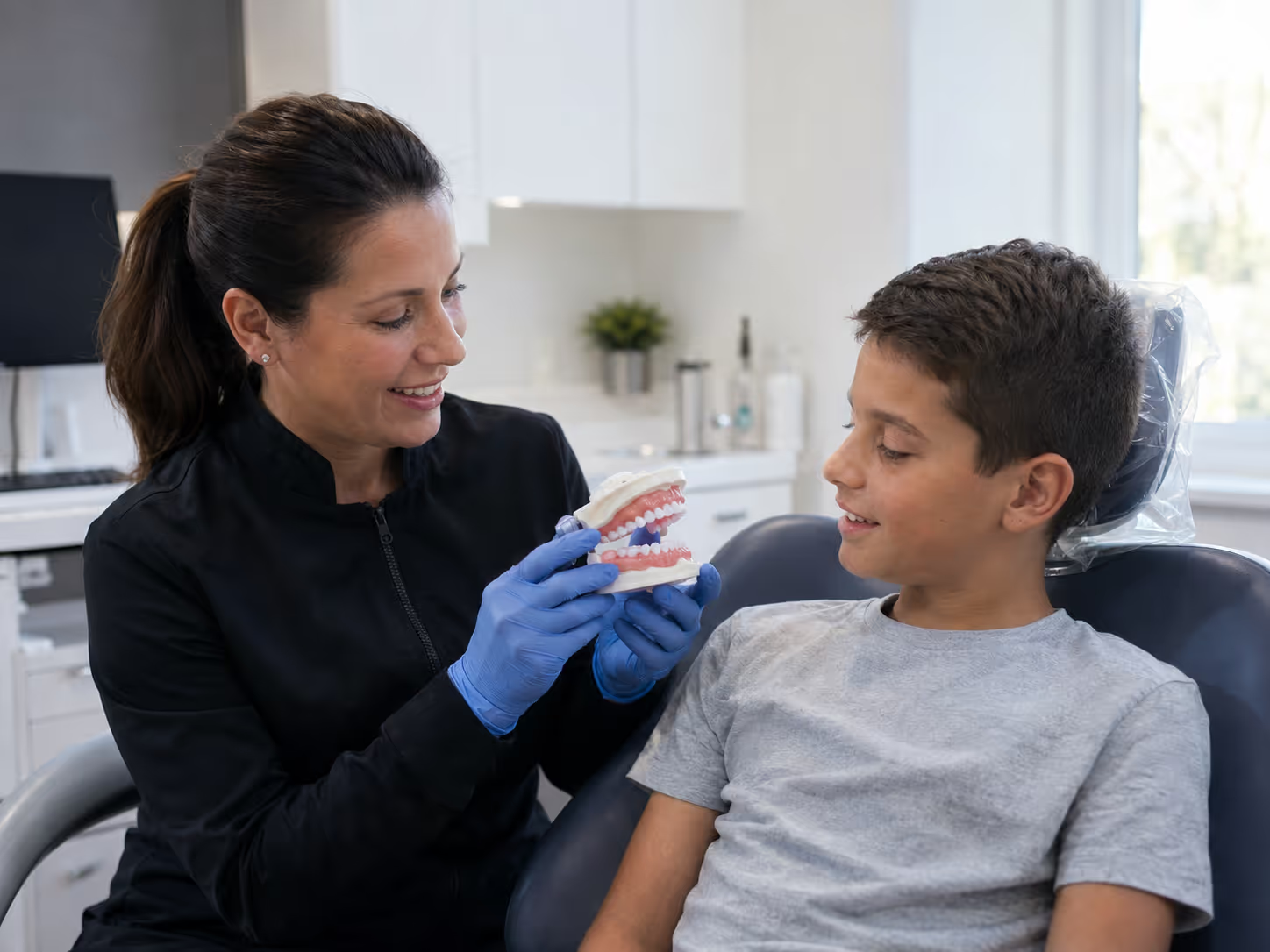
If your child gets braces in June, the first week is usually about adjusting to how they feel. Teeth may be tender for a few days, and softer foods can help. This adjustment is temporary for most kids, but it helps to be prepared.
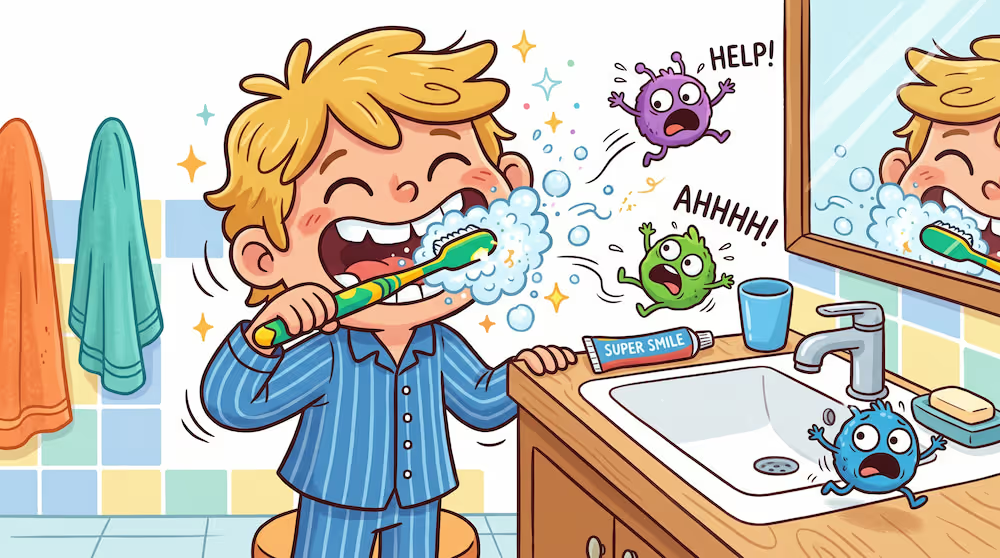
Braces also mean kids need to brush and floss carefully. Food can get stuck around brackets and wires, so it is important to slow down and clean well.
Starting this time of year gives your child time to build better brushing habits before school lunches, homework, and after-school activities resume their place in the daily routine. Younger children may need help at first. Teens may need reminders and encouragement.
The goal is not perfection right away. It is helping your child become more comfortable and confident with the routine.
Invisalign in June: Why Timing Matters for Teens
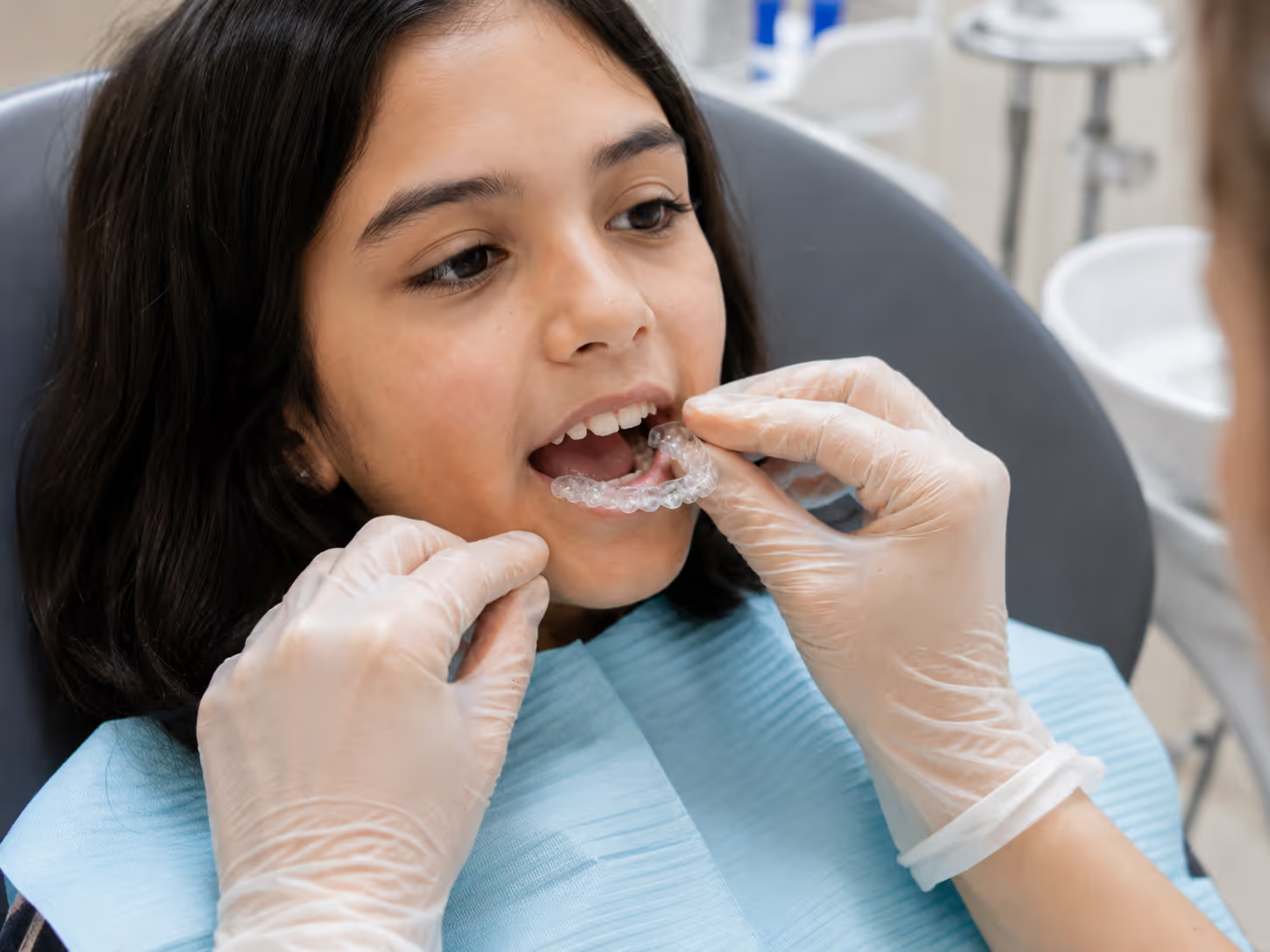
Invisalign can work well for some teens, especially those who are motivated, responsible, and able to follow instructions. Since aligners are removable, eating and brushing are often easier than with fixed braces. But that convenience comes with added responsibility.
Teens need to wear aligners for the recommended amount of time, remove them before eating, clean their teeth before putting them back in, and store them safely. If a teen often forgets to wear aligners or loses them, treatment may not go as planned.
Starting in June gives teens a chance to practice before they have to manage aligners at school, during lunch, at sports, or with friends.
Invisalign is not just about appearance. It is an orthodontic treatment that depends on consistency.
Signs It May Be Time to Schedule an Orthodontic Visit
Some orthodontic issues are easy for parents to notice. Others are more subtle. A child’s smile changes a lot as baby teeth fall out and permanent teeth come in, so it is not always clear what is normal and what needs a professional look.
Parents may want to schedule an orthodontic evaluation if they notice:
- Crowding
- Large spaces between teeth
- Teeth that do not meet evenly
- Difficulty biting or chewing
- Mouth breathing
- Shifting jaws
- A bite that looks too deep, open, or uneven
It is also important to pay attention to how your child feels. Some kids avoid certain foods because chewing feels awkward. Some teens hide their smile in photos or feel self-conscious about crowded or spaced teeth.
These signs do not always mean treatment is urgent, but they are good reasons to ask questions.
What Happens During an Orthodontic Evaluation?
An orthodontic evaluation is usually simple and calm. The orthodontist checks the teeth, bite, jaw, and overall development. Depending on your child’s needs, the visit may include digital scans, photos, X-rays, or other records.
The goal is to answer practical questions:
- Is there an orthodontic concern?
- Is treatment needed now or later?
- Would braces or Invisalign work well?
- How long might treatment take?
- What should the family expect?
Parents should feel comfortable talking about everyday concerns, including school schedules, sports, summer travel, oral hygiene, and whether a teen is ready for Invisalign. These details matter because treatment works best when it fits the child’s needs and the family’s routine.
For families considering All Kids Dental, this kind of visit can help you understand the next steps without feeling rushed. The best recommendation might be treatment, monitoring, or waiting until a better time.
Common Myths About Starting Braces or Invisalign Before Summer
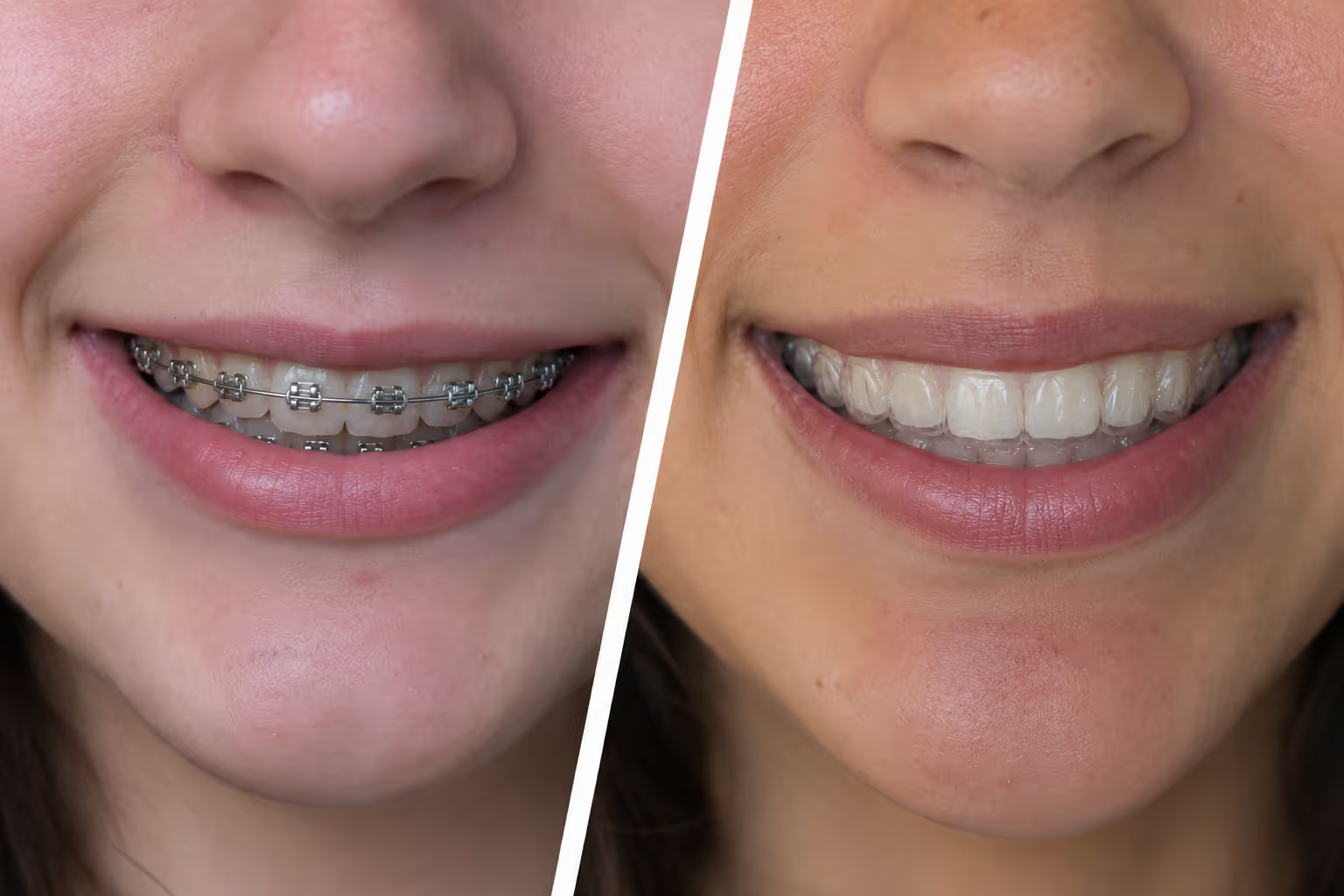
One common myth is that starting braces or Invisalign will ruin summer. In reality, most kids and teens can still enjoy vacations, camps, sports, and family activities during treatment. They may need a few new habits, but orthodontic care does not have to take over the season.
Another myth is that Invisalign is always easier than braces. Invisalign can be convenient, but it requires strong follow-through. Teens who may forget aligners, leave them in napkins, or wear them inconsistently may do better with braces. Responsible teens may like the flexibility of clear aligners.
A third myth is that braces are only for looks. A confident smile matters, but orthodontics also helps with function. Properly aligned teeth can make biting, chewing, speaking, and cleaning easier.
Practical Advice for Parents Before Summer Starts
If you are considering orthodontic treatment this summer, start with a consultation rather than guessing the best option on your own. Every child’s bite, growth, and level of responsibility is different.
Before the visit, talk with your child or teen calmly and positively. Explain that the appointment is an opportunity to learn more about their teeth and bite. For teens, include them in the conversation. They are more likely to cooperate when they feel heard and involved.
If treatment begins, keep the first week simple. Choose easy meals, encourage careful brushing, and help your child build a routine without making it feel like a punishment.
For active kids and teens, ask about mouthguards before sports start. Mouthguards can help cushion blows to the face and may lower the risk of injuries to the teeth, lips, tongue, face, and jaw.
Conclusion
June is a convenient time for families to look ahead. If your child or teen has crowded teeth, bite concerns, or has never had an orthodontic evaluation, this season can be a helpful opportunity to get answers before the next school year begins.
Starting braces or Invisalign is not about rushing into treatment. It is about knowing whether now is the right time, which option makes sense, and what your child would need to succeed.
For some families, the next step may be braces. For others, Invisalign may be a good fit. And for some children, the best plan may simply be monitoring growth.
If you are wondering whether this time of year is the right time to schedule your child’s orthodontic visit, contact the All Kids Dental team. We'll help you to understand your child’s options and next steps without pressure or guesswork.
Frequently Asked Questions
Will braces or Invisalign affect summer vacation?
Usually, families can still travel and enjoy summer activities. If your child has braces, ask what to do if a wire or bracket feels uncomfortable while you are away. If your teen has Invisalign, remind them to bring their case and keep aligners safe during meals.
What's the difference between braces and Invisalign for teens?
The biggest difference is responsibility. Braces stay on the teeth and work continuously, so there is nothing for your teen to remember. Invisalign uses clear aligners that must be worn 20 to 22 hours a day, removed for meals, and stored safely. Both can correct a wide range of orthodontic concerns. The right choice depends on your teen's bite, the complexity of treatment, and how consistent they are likely to be.
How long does it take to get used to braces?
Many patients need a short adjustment period. Teeth may feel tender at first, and softer foods can help. Your orthodontist can explain what is normal and what should be checked.
Is Invisalign a good choice for every teen?
No. Invisalign can be a good fit for responsible teens, but it is not right for every bite concern or every personality. Clear aligners must be worn consistently to work well.
Should my child see an orthodontist even if they still have baby teeth?
Yes. The AAO recommends a first orthodontic checkup by age 7 because early evaluation can help identify developing bite or alignment concerns.
How much do braces cost for kids?
The cost of braces depends on the type of treatment, the complexity of your child's case, and how long treatment takes. Most families can expect to pay between $3,000 and $7,000 for braces or Invisalign. Insurance often covers part of the cost, and payment plans can spread the rest into manageable monthly amounts. We're happy to walk through the numbers during your child's consultation.
Will my child need to miss school for orthodontic appointments?
Routine orthodontic visits are short and usually fit easily before or after school. The longer appointments tend to be at the beginning of treatment, which is one reason June is a convenient time to start. Getting those initial visits done over the summer means fewer schedule conflicts once classes are back in session.
More Articles

Get Started Today
.avif)

Call (970) 928-9500 with any questions.
We accept all insurance plans.
©2026 All Rights Reserved.