Dental Emergency? Here's How to Stay Calm and Help Your Child
.avif)
Introduction
It can happen in a split second. One moment your child is playing, the next there’s a fall. Suddenly you hear a cry that makes your heart sink. You rush in to check on him and notice a chipped tooth.
Once the initial shock passes, questions start racing through your mind. What should you do first? Is this serious? Can the tooth be saved?
The good news is that dental emergencies—though frightening—are manageable when you know what to do. With a little preparation and the right advice, you can stay calm, comfort your child, and take steps to protect their smile.
In this article, we'll walk you through exactly what to do and how to feel prepared before an emergency occurs.
What Counts as a Dental Emergency?
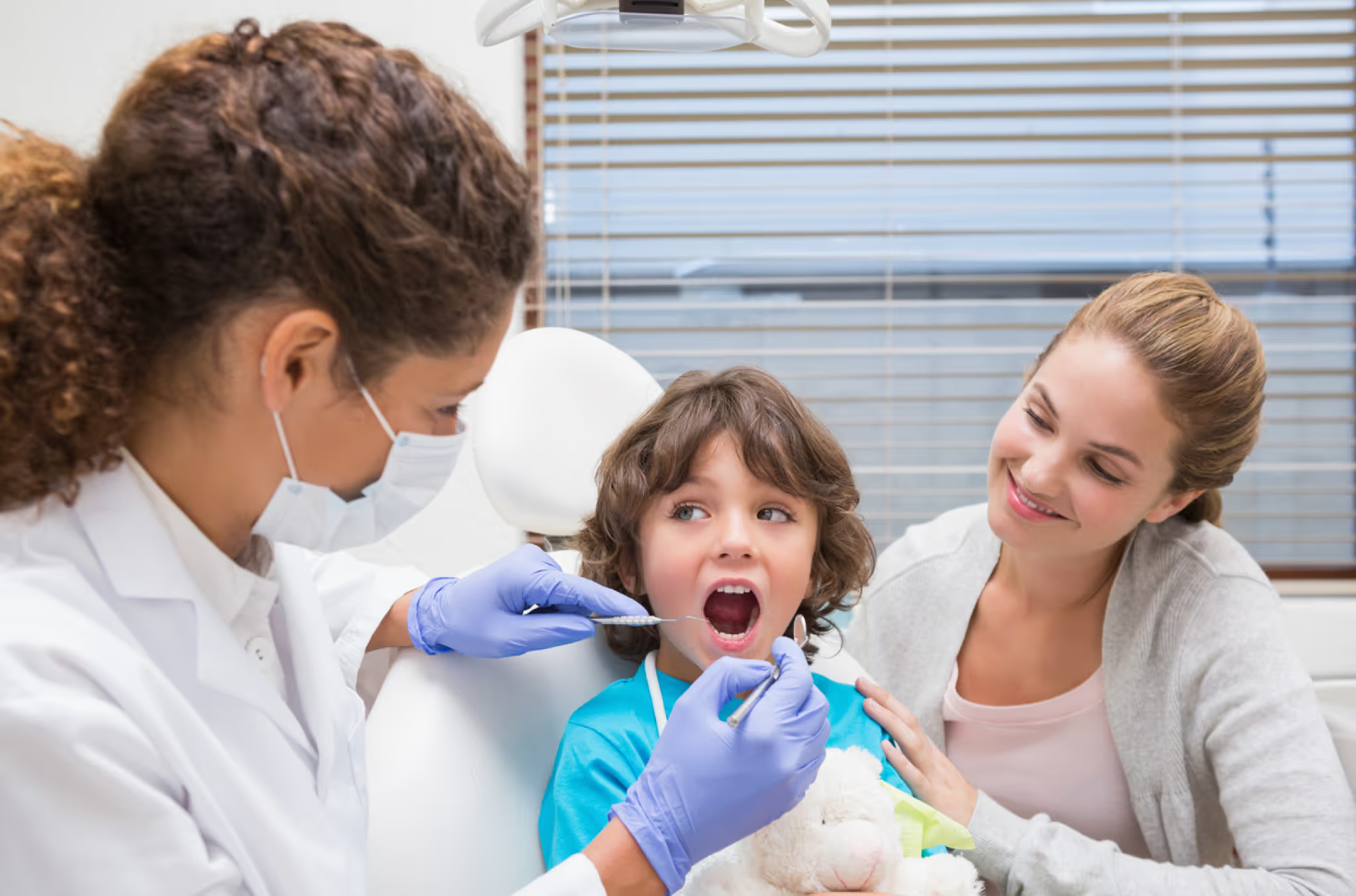
Not every dental emergency requires immediate attention, but some situations do. A dental emergency typically involves pain, bleeding, or visible damage to a tooth, the gums, or the surrounding area.
Some common examples include:
- knocked-out, chipped, or broken teeth
- loose or displaced teeth
- severe toothaches
- facial swelling
- and orthodontic problems such as broken brackets or poking wires.
Seek same-day care if your child has a knocked-out permanent tooth, uncontrolled bleeding, severe pain, or a tooth that has shifted out of place. If you're unsure whether it qualifies, a quick call to your dental provider can give you the clarity you need.
Your First Priority: Stay Calm
When your child is injured, they will look to you for comfort. Speaking softly and remaining calm helps them feel safe and helps you think more clearly.
Before anything else, focus on a few simple priorities:
- Make sure your child is safe and check for other injuries.
- Gently control any bleeding with clean gauze or a cloth.
- Locate and carefully handle any tooth or fragments.
- Protect the area from further irritation.
- Contact your dental provider for the next steps.
You don’t have to figure everything out by yourself. Contacting your dental team promptly means you’ll get expert help as you handle the situation.
What to Do for Common Dental Emergencies
Knocked-Out Tooth
This is a more urgent situation, but it's very treatable with prompt action. If this is a permanent tooth, pick it up carefully by the crown (the white part), not the root. Rinse it gently if it's dirty, and if possible, place it back into the socket. If that isn't comfortable or feasible, store it in milk or saliva. If you're not sure whether it's a baby tooth or a permanent one, store it and call us—we'll guide you from there.
Chipped or Broken Tooth
Rinse your child’s mouth with warm water and save any pieces of the tooth you find. A cold compress on the cheek can help reduce swelling. Even if the chip seems minor, it’s wise to have it checked, since more serious damage may not be visible.
Loose or Displaced Tooth
Don’t touch the tooth or try to move it yourself. Help your child stay comfortable and ask them not to wiggle it. Get it checked as soon as possible. Keeping the tooth stable gives the best chance of a good outcome.
Toothache or Swelling
Rinsing with warm saltwater can help temporarily. If pain persists or worsens, or if you notice swelling, have a dentist check it. These may be signs of infection or damage that require professional care.
Orthodontic Emergencies
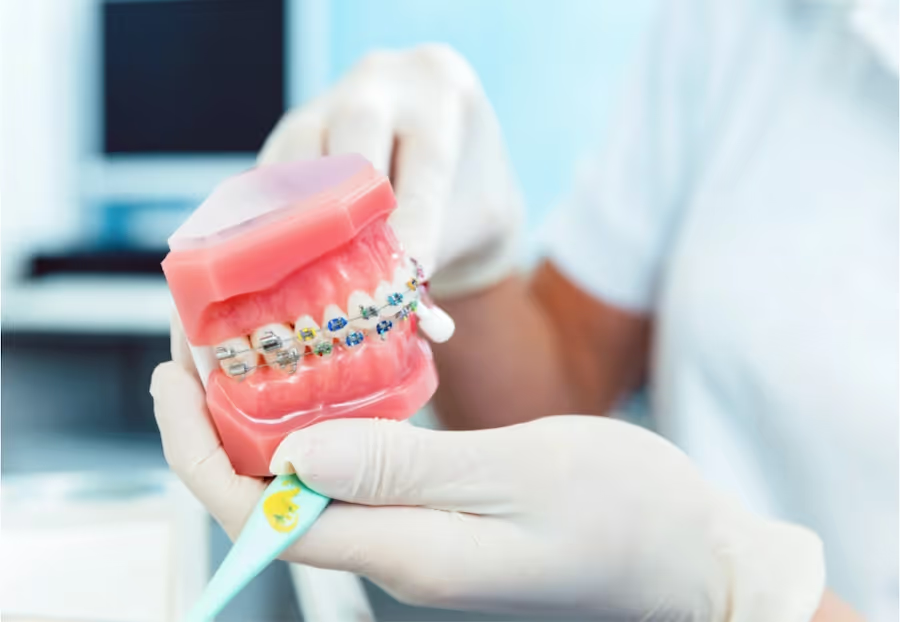
Broken brackets, loose bands, or wires poking the mouth are common issues for kids with braces. You can use orthodontic wax to cover the area and make it more comfortable for now. Contact your orthodontist soon to keep your treatment on track.
What to Avoid
During stressful moments, some well-intentioned actions can make things worse. Here are a few things to remember:
- Don't handle a knocked-out tooth by the root — it can damage the cells needed for reimplantation.
- Don't try to reposition a displaced tooth yourself — leave it to your dental provider.
- Don't apply aspirin or other substances directly to the gums — it can irritate tissue and increase discomfort.
- Don't skip the follow-up even if your child says they feel okay — some damage isn't immediately apparent.
- Don't let your child eat hard or crunchy foods until the area has been properly evaluated.
If you’re unsure what to do, contact us—we’re here to help!
Preventing Future Dental Emergencies
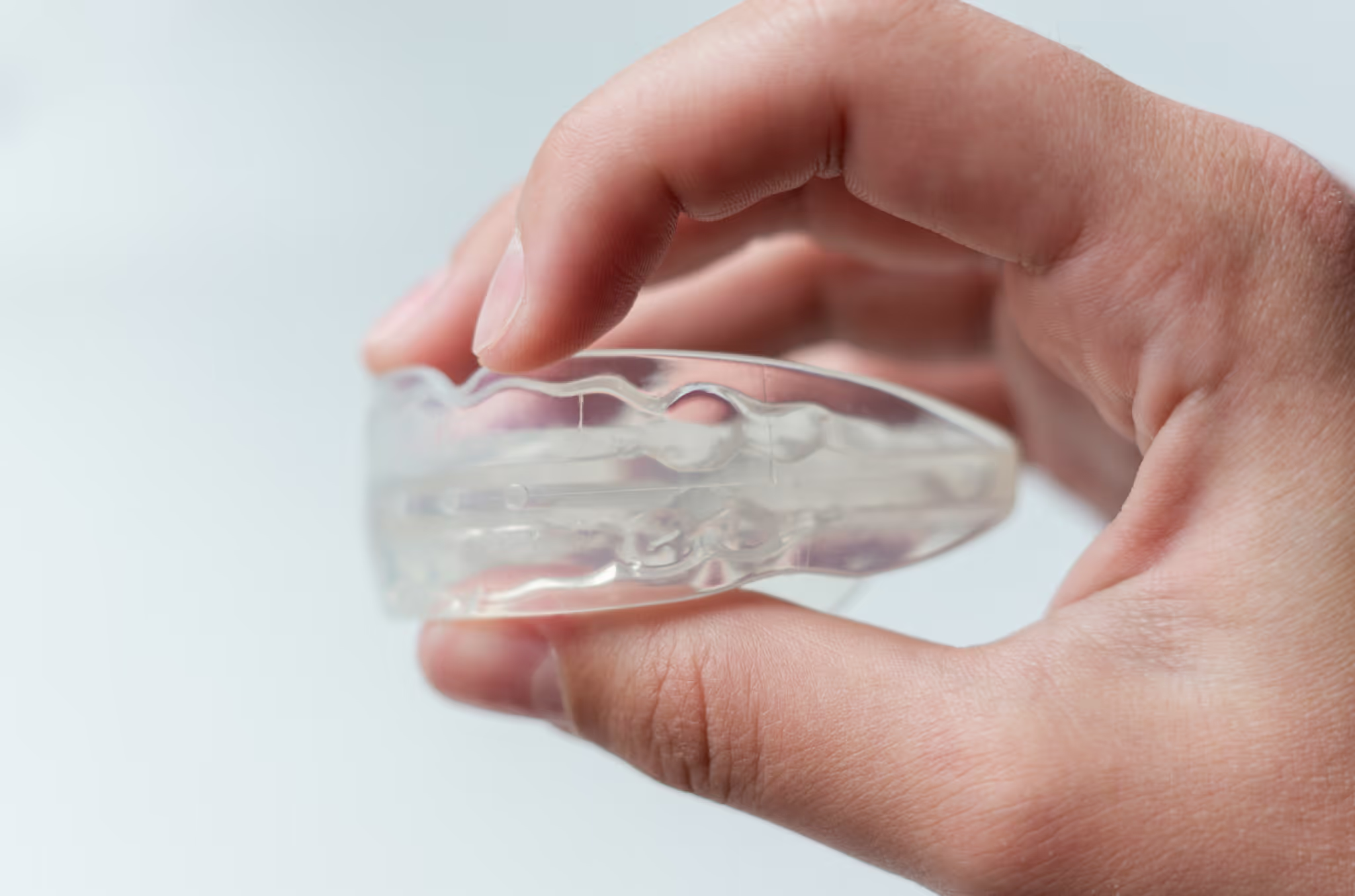
While accidents can't always be predicted, many dental emergencies are preventable with a few simple habits.
A custom mouthguard is one of the best things you can get for an active child, especially if they have braces. It protects both their teeth and their orthodontic appliance during sports and other activities.
Regular dental and orthodontic checkups are also important. Routine visits help catch problems early and make sure everything is on track. Along with good daily habits, such as not chewing on hard objects and playing safely, these steps really help:
- Use a custom mouthguard during sports.
- Keep up with regular dental and orthodontic visits.
- Schedule early orthodontic evaluations when recommended.
- Encourage safe, healthy habits at home.
When to Call Your Dentist

Some situations require same-day care: a knocked-out permanent tooth, severe pain, heavy bleeding, or a visibly displaced tooth. These need prompt attention.
Other situations, such as a chipped tooth, mild discomfort, or a broken bracket, are still important to address. Usually, these can be handled with a same-day or next-day visit.
If you’re ever unsure what to do, just call us. We’ll listen, help you understand the situation, and tell you exactly what to do next.
Conclusion
Dental emergencies are more common in kids than many parents realize, but they are very manageable with the right support. Knowing what to do and having a dental team you trust make all the difference.
Whether it’s a tooth injury on the playground or a broken bracket during a game, All Kids Dental is here to help. Contact our team anytime you have a concern, a question, or a situation that needs care. We’ll help you find the right next step quickly and calmly, with your child’s best interests in mind.
Frequently Asked Questions
What should I do if my child knocks out a baby tooth?
Do not try to put the tooth back in place. Gently apply pressure with clean gauze to control any bleeding. Once things have settled, contact our office so we can evaluate the area and make sure everything is healing properly.
Can a knocked-out permanent tooth be saved?
Yes, quick action can make a big difference. If possible, gently place the tooth back in the socket or keep it in milk and contact us right away. The sooner your child receives care, the better the chances of saving the tooth.
How do I know if a chipped tooth is serious?
Even a small chip can sometimes involve deeper damage that isn’t easy to see. It’s best to have the tooth checked so we can determine if treatment is needed and help prevent further issues.
What should I do if my child’s braces break during an accident?
If a bracket or wire is loose or causing discomfort, you can use orthodontic wax to protect the area temporarily. Then give us a call so we can schedule a repair and keep treatment on track.
Is a loose tooth always an emergency?
Not always, but if the tooth became loose due to an injury, it should be evaluated as soon as possible, ideally the same day. Prompt care helps protect the tooth and surrounding structures.
Can dental injuries affect orthodontic treatment?
Yes, they can. Injuries may impact how teeth move or how treatment should proceed. That’s why we evaluate both dental and orthodontic concerns together, so nothing is overlooked.
What pain relief is safe for children?
Stick with age-appropriate over-the-counter medications like acetaminophen or ibuprofen, following the recommended dosage. Avoid placing aspirin or gels directly on the gums unless advised by a dentist.
How can I help prevent dental emergencies?
While accidents can’t always be avoided, you can lower the risk with a few simple steps. Use a custom mouthguard for sports, keep up with regular dental visits, and encourage safe play habits.
More Articles

Get Started Today
.avif)

Call (970) 928-9500 with any questions.
We accept all insurance plans.
©2026 All Rights Reserved.