When Should Your Child First See a Pediatric Dentist?

Why Early Dental Visits Matter
Many parents wonder: When should my child first see a dentist?
You might start thinking about this when your baby’s first tooth comes in, or your toddler begins smiling more. It’s normal to feel unsure about when to start and what to expect at the first visit.
Pediatric dental experts suggest starting early to support healthy growth and give parents useful advice. Early dental visits, like regular doctor checkups, help set the stage for good oral health throughout life.
When Should a Child First See a Pediatric Dentist?
Many parents think dental visits should start later, after most teeth have come in. However, groups like the American Academy of Pediatric Dentistry recommend scheduling your child’s first dental visit:
- By their first birthday
- Or within six months after the first tooth appears
Even though this might seem early, baby teeth are important. They help your child chew, learn to speak, and make sure permanent teeth grow in the right place.
Early visits let dentists monitor your child’s development and catch small problems before they become bigger issues.
What Happens During the First Dental Visit?

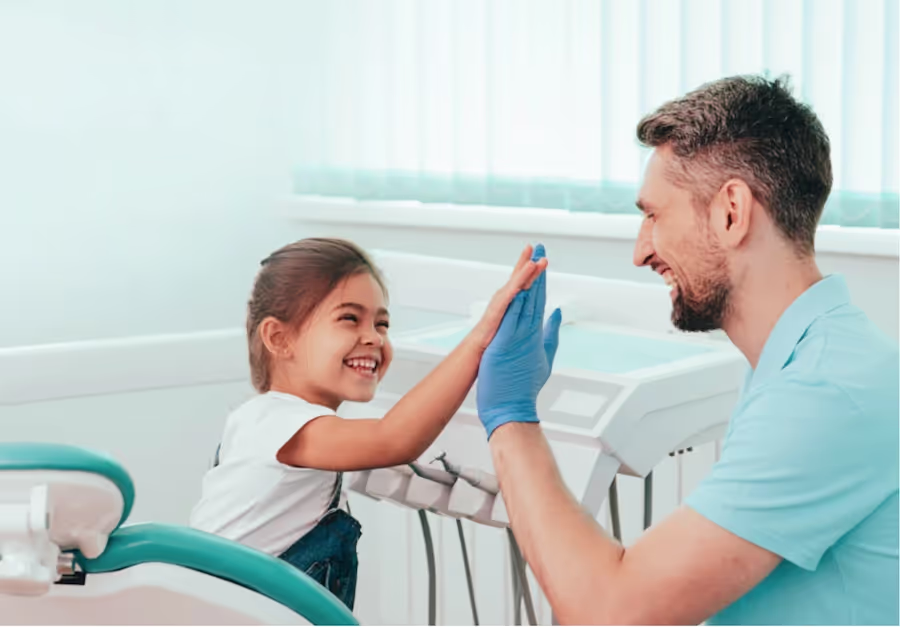
The first dental visit for your child is usually easy, gentle, and focused on making them feel comfortable.
During the visit, the dentist may:
- Gently examine the teeth and gums
- Check how teeth are growing and spacing
- Look at early bite and jaw development
- Check for early signs of tooth decay
- Provide a light cleaning if appropriate
Parents will also receive guidance on:
- Brushing techniques
- Teething and development
- Feeding habits and cavity prevention
- Thumb sucking or pacifier use
Just as important, this visit helps your child see dental care as a normal and safe part of life.
How Early Visits Support Healthy Development
Even though baby teeth don’t last forever, they are an important part of your child’s development. They help your child eat, speak clearly, and create space for permanent teeth to come in properly.
Early dental visits help your dentist monitor how everything is progressing and address small concerns early, when they’re easier to manage.
At each visit, your dentist will keep an eye on:
- Tooth eruption and development
- Gum health
- Early signs of decay or enamel concerns
- Bite alignment and jaw growth
Taking care of problems early usually makes treatment easier and less stressful.
Building Comfort Over Time

When children start dental visits early, the experience becomes more familiar and less intimidating over time. What may feel new at first gradually becomes part of their routine.
As a result, children are more likely to stay relaxed during appointments, build trust with their dental care team, and develop a positive view of dental care.
This early sense of ease can stay with them as they grow.
Signs Your Child May Need to Be Seen Sooner
Most children should see the dentist by age one, but in some cases, an earlier visit may be helpful.
You may want to schedule an appointment if you notice:
- White, brown, or dark spots on the teeth
- Tooth pain or sensitivity
- Red or swollen gums
- Difficulty chewing
- Delayed tooth eruption
- Injury to the teeth or mouth
How to Prepare Your Child for Their First Visit
A little preparation can go a long way in helping your child feel comfortable before their first visit.
Speaking about the dentist in a calm, positive way can ease any uncertainty, and choosing a time when your child is well-rested can make the visit feel more manageable.
Bringing a favorite toy or comfort item can provide reassurance, and arriving a bit early gives your child a chance to get familiar with the environment at their own pace.
A Strong Start for a Healthy Smile
Your child’s first dental visit is an important milestone, but it doesn’t have to feel overwhelming. Starting early supports healthy development and gives your child time to become comfortable with dental care in a positive, low-stress way.
If you have questions or want guidance for your child, scheduling a pediatric dental visit is a simple next step and a great way to get clear answers and peace of mind.
Frequently Asked Questions
At what age should my child first visit the dentist?
Most experts recommend scheduling your child’s first visit by age one, or within six months after their first tooth appears.
What happens during the first visit?
The visit is usually quick and gentle. The dentist will check your child’s teeth and development, and provide guidance on brushing, feeding, and habits.
Are pediatric dentists different from general dentists?
Yes. Pediatric dentists receive specialized training focused on caring for infants, children, and teens, including how to make visits comfortable and positive.
Do baby teeth really matter if they fall out?
Yes. Baby teeth help with chewing, support speech development, and guide permanent teeth into the right position.
When should my child be evaluated for orthodontic treatment?
Many orthodontists recommend an evaluation around age seven to monitor how teeth and jaws are developing.
How often should my child visit the dentist?
Most children benefit from visits every six months for routine checkups and cleanings.
What if my child feels nervous about the visit?
That’s completely normal. Pediatric dental teams are trained to help children feel safe and comfortable, and most kids become more relaxed with each visit.
More Articles
.avif)
Get Started Today
.avif)

Call (970) 928-9500 with any questions.
We accept all insurance plans.
©2026 All Rights Reserved.