Invisalign vs. Braces: Which Option Is Right for Adults?
Introduction
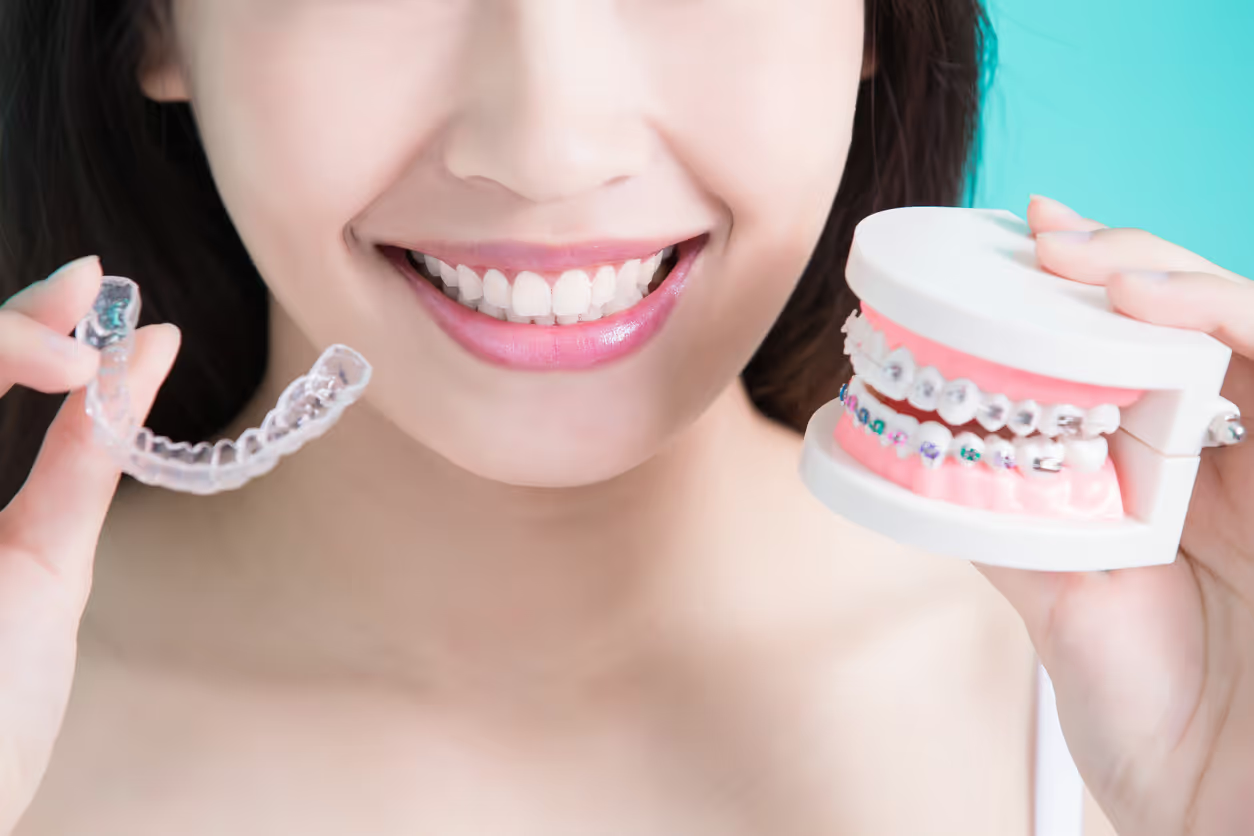
If you’re thinking about straightening your teeth but can’t decide between Invisalign and braces, you’re not alone. Many adults today are considering these treatment options. They want to improve their smile but aren’t sure which choice is best. Some common questions people consider include: Which option is more comfortable? How noticeable is each treatment? And if orthodontics is really even worth it for adults?
This guide will explain both Invisalign and braces to help you feel confident about choosing the best option for your smile and daily routine.
Why More Adults Are Choosing Orthodontics
For many adults, straightening teeth is about more than just looks. It’s about feeling more confident in daily life, whether you’re talking, smiling, or taking photos.
There are practical benefits as well. Straighter teeth are easier to clean, which helps reduce plaque and bacteria. This can lower your risk of cavities, gum disease, and other problems that might need more treatment later. Proper alignment can also improve your bite, help your teeth wear evenly, and reduce strain on your jaw.
Some adults are having their teeth fixed that have moved after having braces years ago. Others are finally taking care of something they’ve wanted to change for a long time. No matter your reason, it’s never too late to start!
How Invisalign and Braces Work
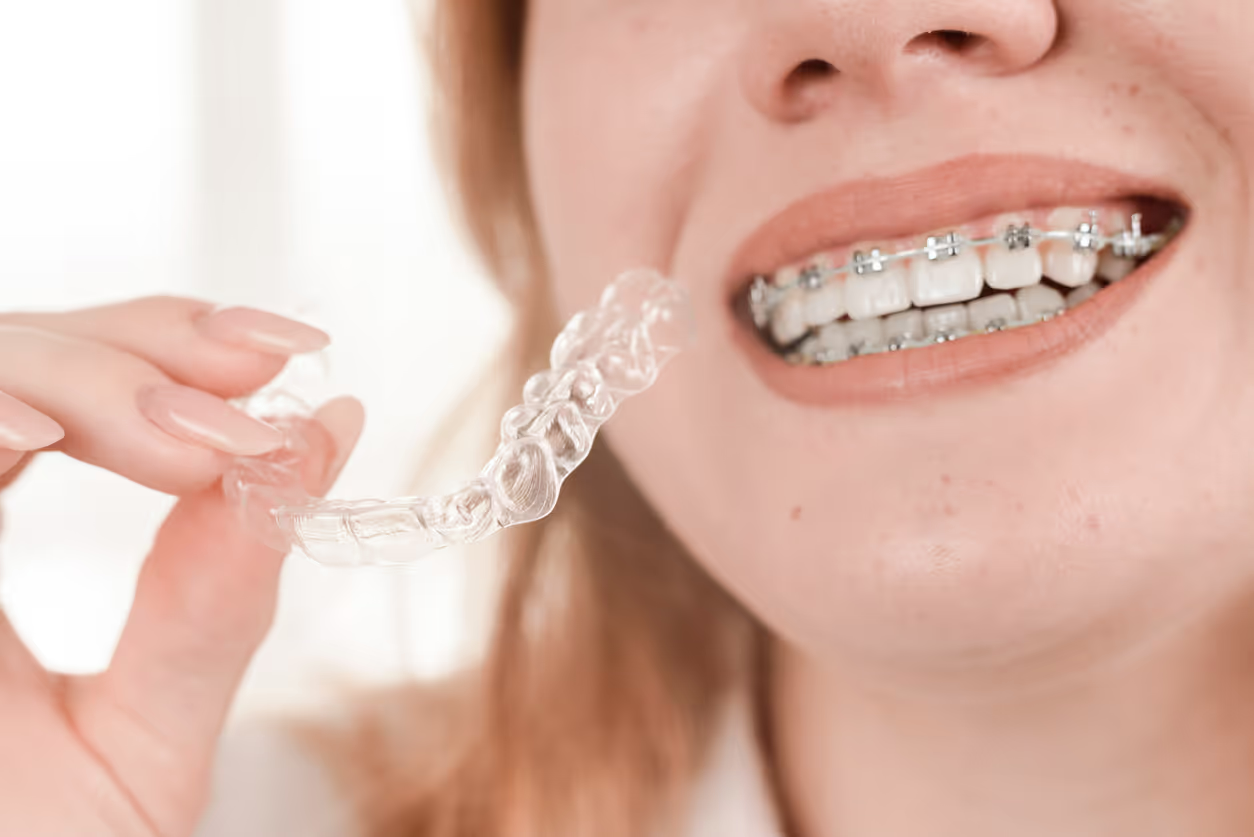
Both braces and Invisalign slowly move your teeth into a healthier, straighter position using gentle pressure over time. The main difference is how each fits into your everyday routine and how much effort they need from you.
Braces stay on your teeth and work all the time. Once they’re in place, you don’t have to think that much about them.
Invisalign uses clear, removable aligners that you wear during the day and change every week or two. Since you can take them out, they offer more flexibility, but you need to remember to wear them regularly.
Both options work well. The best choice depends more on your habits, preferences, and lifestyle than on the technology itself.
Invisalign vs. Braces: Key Differences at a Glance
Here’s a quick comparison to help you see the main differences between Invisalign and braces, so you can decide which option fits your preferences.
Appearance
- Braces: Visible (ceramic options are more subtle)
- Invisalign: Nearly invisible
Comfort
- Braces: Some initial irritation as your mouth adjusts
- Invisalign: Smooth and generally more comfortable
Eating
- Braces: Some food restrictions
- Invisalign: Remove aligners and eat normally
Cleaning
- Braces: Requires extra care when brushing and flossing
- Invisalign: Brush and floss as usual after removing aligners
Treatment Time
- Braces: Depends on complexity
- Invisalign: Often shorter for mild to moderate cases
Effectiveness
- Braces: Best for more complex cases
- Invisalign: Ideal for mild to moderate alignment
If you’re not sure which option is right for you, a free consultation can help clarify things.
Which Option Fits Your Lifestyle Best

This is often where the choice becomes clearer. The difference between braces and Invisalign isn’t just about appearance. It’s also about how much responsibility each option gives you.
Braces: A “Set It and Forget It” Approach
Braces stay in place and work continuously.
This may be a good fit if you:
- Prefer structure and consistency
- Don’t want to think about wearing or removing anything
- Want something that works automatically
Invisalign: Flexible and Discreet
Invisalign aligners can be removed for meals and brushing.
This may be a better fit if you:
- Want a more discreet option
- Prefer flexibility in your routine
- Feel confident staying consistent with wear time
Common Questions and Concerns Before Starting
It’s normal to have some concerns before starting treatment. Here are a few common questions adults often ask:
“Will it hurt?”
You might feel some pressure or mild discomfort at first, especially after adjustments. This is temporary and usually goes away in a few days.
“Will people notice?”
Invisalign is very subtle, so most people won’t notice it. Braces are more noticeable, but adult orthodontic treatment is common and widely accepted.
“Am I too old for this?”
Not at all. Teeth can be moved at nearly any age, as long as your mouth is healthy.
“What if I don’t stick with Invisalign?”
That’s a valid concern. Invisalign requires consistency, so if that feels uncertain, braces may be the simpler option.
Most worries seem bigger before you start. Once you begin, the process is usually easier than you think.
How Much Do Invisalign and Braces Cost?
Cost is important, and many people think Invisalign is more expensive, but that’s not always true.
In many cases, Invisalign and braces cost about the same. The total price depends more on your needs than on the type of treatment.
Factors that affect cost include:
- How complex your case is
- How long your treatment will take
- The type of braces used (if applicable)
Many patients are surprised to find out that flexible payment plans are often available, making treatment easier to manage each month.
The best way to get a clear answer is to have a consultation that addresses your specific situation, so you know exactly what to expect.
What to Expect During Treatment
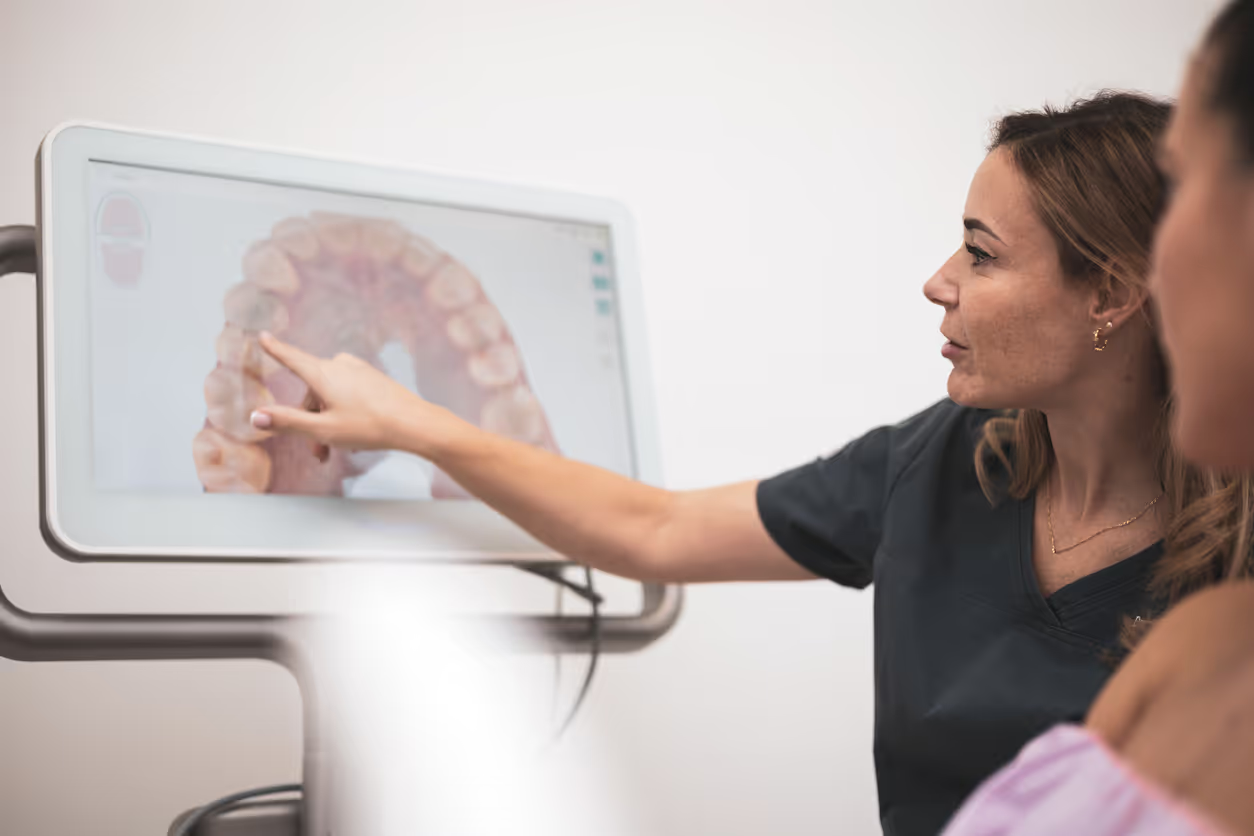
Knowing what to expect can make getting started feel much easier. While Invisalign and braces work differently, both are simple, guided processes that are easy to follow from start to finish.
Invisalign
- Consultation & Digital Scan
A quick, comfortable scan of your teeth with no mess involved. - Custom Aligners Created
A series of aligners is designed specifically for your smile. - Wear & Switch Aligners
Worn daily and changed every one to two weeks. - Quick Check-ins
Occasional visits to monitor progress and make adjustments if needed.
Braces
- Consultation & Planning
A personalized treatment plan is created for your smile. - Braces Placement
Brackets and wires are placed on your teeth. - Regular Adjustments
Periodic visits to keep teeth moving as planned. - Steady Progress
Teeth gradually shift into alignment.
No matter which option you choose, you’ll have guidance and support throughout the entire process.
Making the Right Choice for Your Smile
Choosing between Invisalign and braces doesn’t have to feel overwhelming. Both options are proven, effective, and designed to improve your smile and long-term oral health.
The right choice comes down to what fits your lifestyle, your preferences, and how you want to go through the process day to day. Some people prefer the simplicity of braces, while others value the flexibility and subtle appearance of Invisalign.
If you’re still unsure, that’s completely normal. A simple consultation can give you clear, personalized guidance based on your specific needs—so you can feel confident in your decision and move forward at your own pace.
Frequently Asked Questions
Is Invisalign as effective as braces?
Yes, for many cases. Invisalign is highly effective for mild to moderate alignment issues, including crowding and spacing. Braces may be recommended for more complex cases, such as significant bite correction or major tooth movement. During a consultation, your orthodontist can recommend the option that will give you the best long-term result.
How long does treatment take?
Most treatments range from about 6 months to 2 years, depending on your specific needs. Minor adjustments may take less time, while more complex cases can take longer. Staying consistent with your treatment—especially with Invisalign—can help keep things on track and avoid delays.
Is Invisalign more expensive than braces?
Not necessarily. In many cases, Invisalign and braces cost about the same. The total cost depends more on the complexity of your case and how long treatment takes. Many practices offer flexible payment plans to make treatment more manageable.
Can I switch between Invisalign and braces?
In some cases, yes. If your treatment needs change or if Invisalign isn’t the right fit, your orthodontist may recommend switching to braces (or vice versa). The goal is always to achieve the best possible result for your smile.
How often are visits required?
Most patients visit every 4–8 weeks for progress checks. Invisalign appointments are often shorter and may be slightly less frequent, while braces require periodic adjustments. Your orthodontist will recommend a schedule based on your treatment plan.
Will my teeth stay straight after treatment?
Yes—with proper retainer use. After treatment, retainers help keep your teeth in their new position. Without them, teeth can gradually shift over time. Wearing your retainer as directed is the key to maintaining your results long-term.
How many hours a day do I need to wear Invisalign?
Invisalign aligners should be worn 20–22 hours per day for the best results. They should only be removed for eating, drinking anything other than water, and brushing or flossing.
Are there foods I need to avoid with braces?
Yes. Hard, sticky, or chewy foods (like popcorn, caramel, or hard candies) can damage brackets or wires. Your orthodontist will provide a simple list of foods to avoid during treatment.
Will Invisalign affect how I speak?
Some people notice a slight change in speech for the first few days, such as a minor lisp. This usually goes away quickly as your mouth adjusts to the aligners.
Can adults really get braces or Invisalign?
Absolutely. Adult orthodontic treatment is very common. As long as your teeth and gums are healthy, you can straighten your smile at almost any age.
What happens if I forget to wear my Invisalign aligners?
Occasionally missing a short period is usually not a problem, but repeated or extended gaps can delay your progress. Consistency is key to staying on schedule and getting the best results.
More Articles



Get Started Today
.avif)

Call (970) 928-9500 with any questions.
We accept all insurance plans.
©2026 All Rights Reserved.