Braces vs. Invisalign for Teens: Which Option Is Right for Your Child?
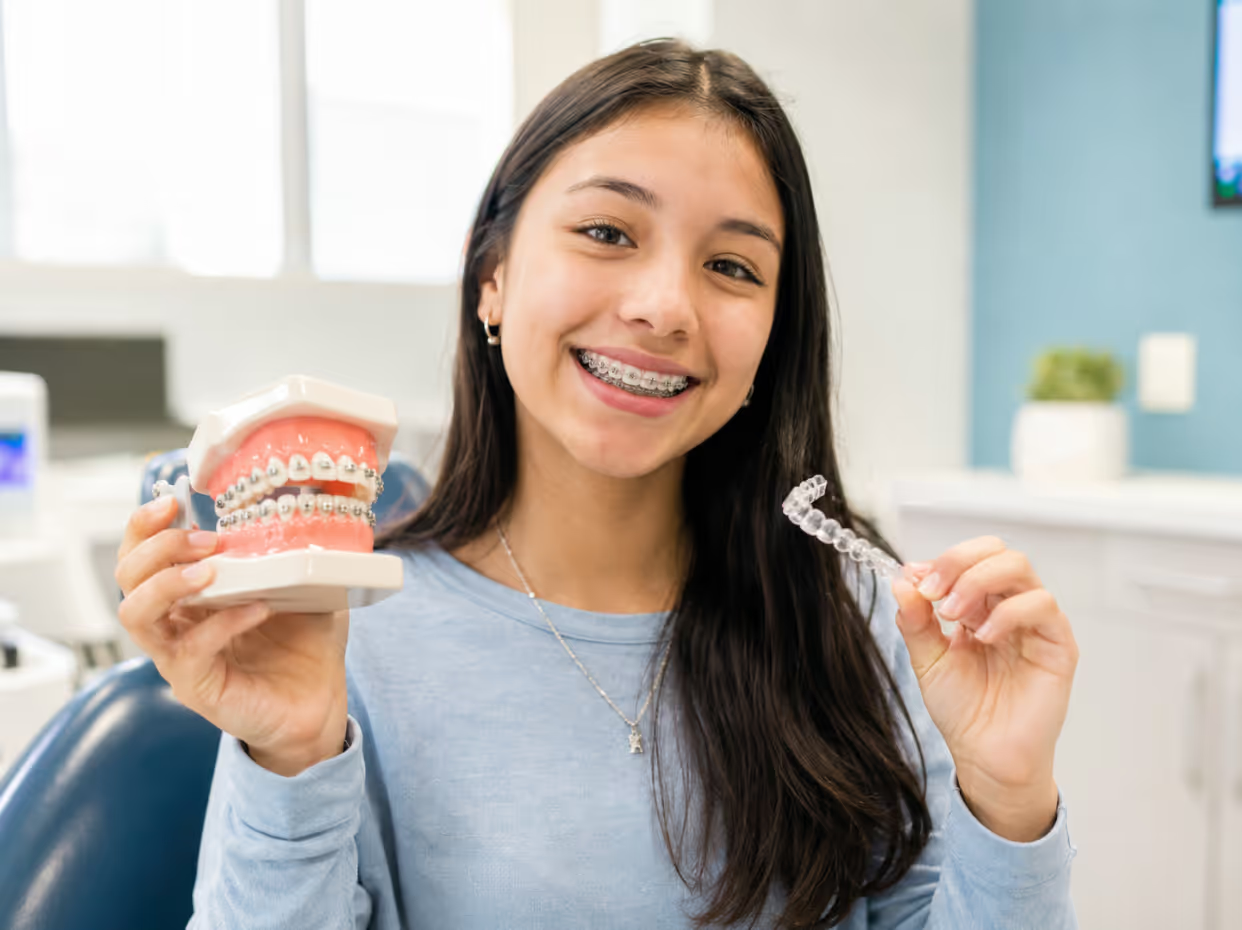
Deciding between braces and Invisalign for your teen can feel more personal than expected.
Parents are usually focused on what will work best for their child’s teeth, bite, oral hygiene, and long-term smile. Teens may be thinking about school photos, sports, comfort, friends, and whether anyone will notice their treatment.
Both perspectives matter.
Braces and Invisalign can both be excellent orthodontic options, but they require different things from your teen. Braces stay in place and work continuously. Invisalign is removable and less noticeable, but it depends more on consistent daily habits.
An orthodontic consultation can help your family compare both options and choose the one that best fits your teen’s smile, lifestyle, and level of responsibility.
What Is the Difference Between Braces and Invisalign?
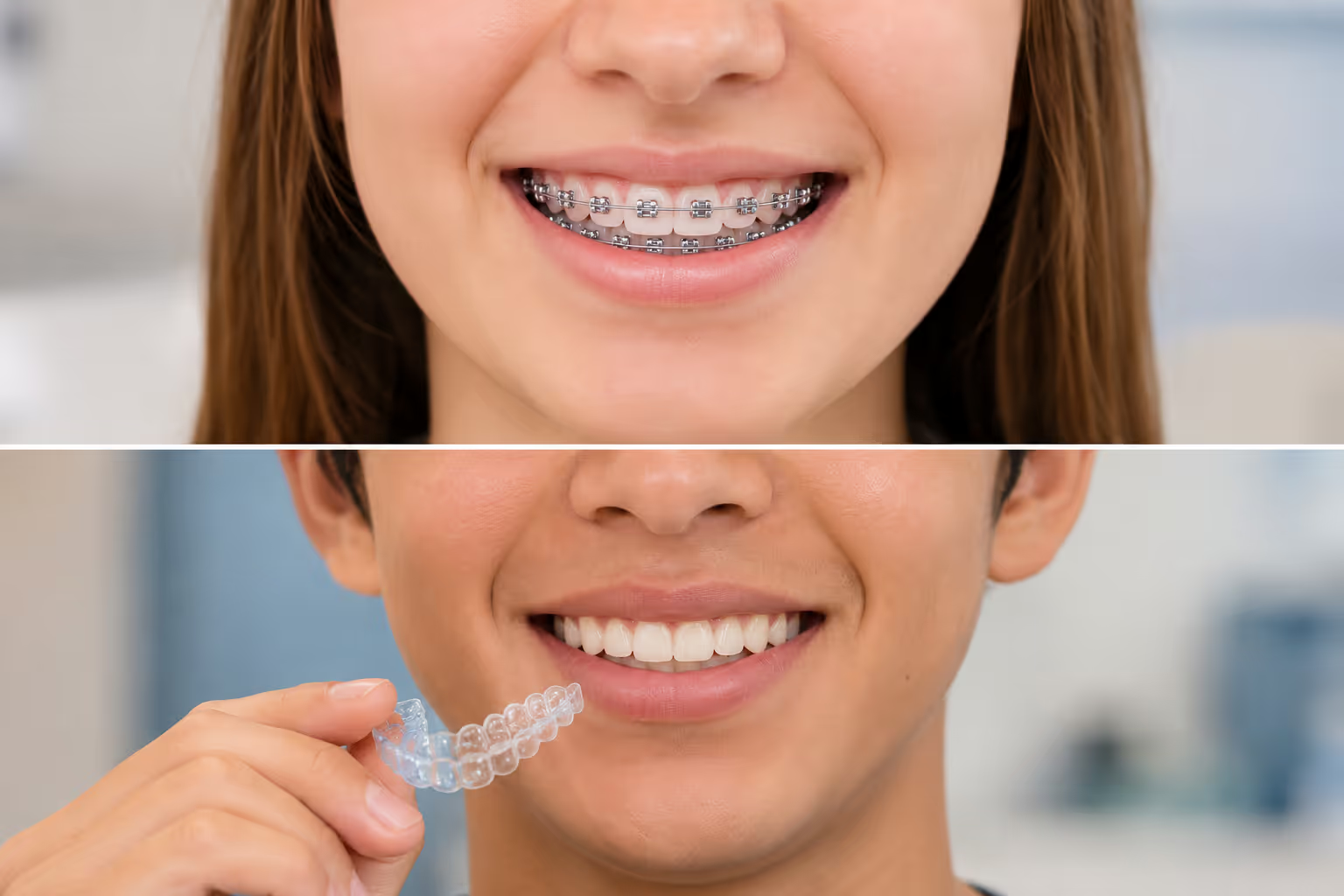
Both braces and Invisalign move teeth over time, but they work in different ways.
Braces use brackets attached to the teeth and connected by wires. Because braces stay on all the time, they keep working throughout the day and do not depend on your teen remembering to wear them.
Invisalign uses a series of clear, removable aligners that fit over the teeth. Teens remove them for eating, brushing, and flossing, but they must wear them as directed for treatment to stay on track.
In simple terms, braces are fixed and more automatic. Invisalign is flexible, but it requires more consistency.
Neither option is automatically better. The right choice depends on your teen’s orthodontic needs, daily habits, comfort level, and ability to follow their treatment plan.
4 Questions That Can Help You Compare Braces and Invisalign
When families are deciding between braces and Invisalign, it helps to think through four practical questions.
1. What does your teen’s bite need?
Some orthodontic concerns can be treated well with either braces or Invisalign. Others may be more predictable with braces, depending on the type of tooth movement or bite correction needed.
The orthodontist can explain which option makes the most sense after examining your teen’s teeth, bite, and jaw relationship.
2. What can your teen realistically manage?
A teen who is organized, consistent, and good at following routines may do well with Invisalign. A teen who often forgets things, loses belongings, or needs frequent reminders may feel less stressed with braces.
This is not about judging your teen. It is about choosing the option that gives them the best chance of success.
3. What matters to your teen emotionally?
Many teens care about how orthodontic treatment will look. Some feel more comfortable with a less noticeable option like Invisalign. Others adjust quickly to braces and may even enjoy choosing bracket colors.
Appearance should not be the only factor, but it is worth discussing respectfully.
4. What will work in real life?
The best treatment option should fit your teen’s actual routine: school lunches, sports, music, travel, snacks, brushing, and busy mornings.
A treatment that seems perfect on paper may not be the best fit if it becomes difficult to manage day to day.
When Braces May Be the Better Choice

Braces may be the better choice when your teen needs a treatment option that works full-time without daily wear-time decisions.
Since braces stay in place, they can be reassuring for parents of teens who are busy, forgetful, or likely to misplace removable trays. Braces may also be recommended when certain bite or alignment concerns need more controlled tooth movement.
Braces may be a better fit if your teen:
- Often misplaces important items
- Needs a treatment option that works continuously
- Has a bite concern that may need more control
- Is not ready to manage removable aligners
- Feels comfortable with visible orthodontic appliances
The main adjustment with braces is learning how to eat and clean around brackets and wires. Teens may need to avoid sticky, hard, or chewy foods that can damage braces. They also need to brush carefully because food and plaque can collect around brackets.
For some families, braces feel simpler because the responsibility is more about care and hygiene than remembering to wear the appliance.
When Invisalign May Be the Better Choice

Invisalign can be a good choice for responsible teens who want a less noticeable treatment and can follow instructions consistently.
Because the aligners are removable, teens can take them out for meals and brush and floss without working around brackets and wires. This flexibility can be appealing for teens involved in school events, performances, photos, sports, or social activities.
However, Invisalign is not just about appearance. The aligners only work when they are worn as directed. If a teen removes them often, forgets to put them back in, or loses them, treatment may not progress as planned.
Invisalign is usually a better fit for a teen who:
- Follows routines well
- Keeps track of personal items
- Is willing to wear aligners as instructed
- Can remember to put aligners back in after meals
- Understands that aligner wear is part of the treatment, not optional
A teen does not have to be perfect to succeed with Invisalign. But they do need to be consistent.
Appearance and Confidence Also Matter
Many teens care deeply about how orthodontic treatment will look.
Parents may see braces or Invisalign mainly as a health decision. Teens may also see it as a social decision. Both perspectives are valid.
Braces are more visible, although many teens adjust quickly. Some enjoy choosing bracket colors and making braces feel like part of their style. Others may feel nervous at first but become more comfortable after the first few weeks.
Invisalign is less noticeable, which can be appealing for teens who feel self-conscious about treatment. Still, aligners are not invisible in every situation, and teens need to feel comfortable wearing them at school and around friends.
Instead of dismissing appearance concerns, parents can acknowledge them while still keeping the decision grounded in professional guidance:
“I understand why that matters to you. Let’s ask the orthodontist which option fits your teeth and your routine best.”
That kind of response helps teens feel heard while keeping the decision practical.
Comfort, Eating, and Daily Life

Both braces and Invisalign involve an adjustment period.
With braces, teeth may feel tender after placement or adjustments. Brackets and wires can also feel unfamiliar at first. With Invisalign, teens may feel pressure when starting a new set of aligners because the trays are designed to guide tooth movement.
Eating and cleaning are different with each option.
Braces stay on during meals, so teens need to avoid foods that may bend wires or break brackets. Invisalign aligners are removed for eating, which means fewer food restrictions, but teens must remember to put them back in afterward.
Braces require careful brushing around brackets and wires. Invisalign allows normal brushing and flossing, but teens need to clean their teeth before replacing aligners so food and plaque are not trapped against the teeth.
In plain language, both options require good habits. Braces require more cleaning around hardware. Invisalign requires more discipline around removing, cleaning, storing, and replacing aligners.
Sports, Music, School, and Busy Schedules
Braces and Invisalign can both work well for active teens, but planning helps.
For sports, teens with braces may need an orthodontic mouthguard to help protect the mouth. Teens with Invisalign may need guidance on when to wear or remove aligners during certain activities. Either way, it is smart to ask the orthodontist what is safest for your teen’s sport.
For music, braces may take a little adjustment, especially for teens who play wind instruments. Invisalign may feel easier for some performers, but aligners still need to be worn for the recommended number of hours.
For school lunches, braces require food awareness. Invisalign requires aligner management. A teen who might accidentally throw aligners away in a napkin may need extra reminders or may be better suited for braces.
The right option should work during real school days, practice days, travel days, and busy family weeks.
What Happens During the Orthodontic Consultation?
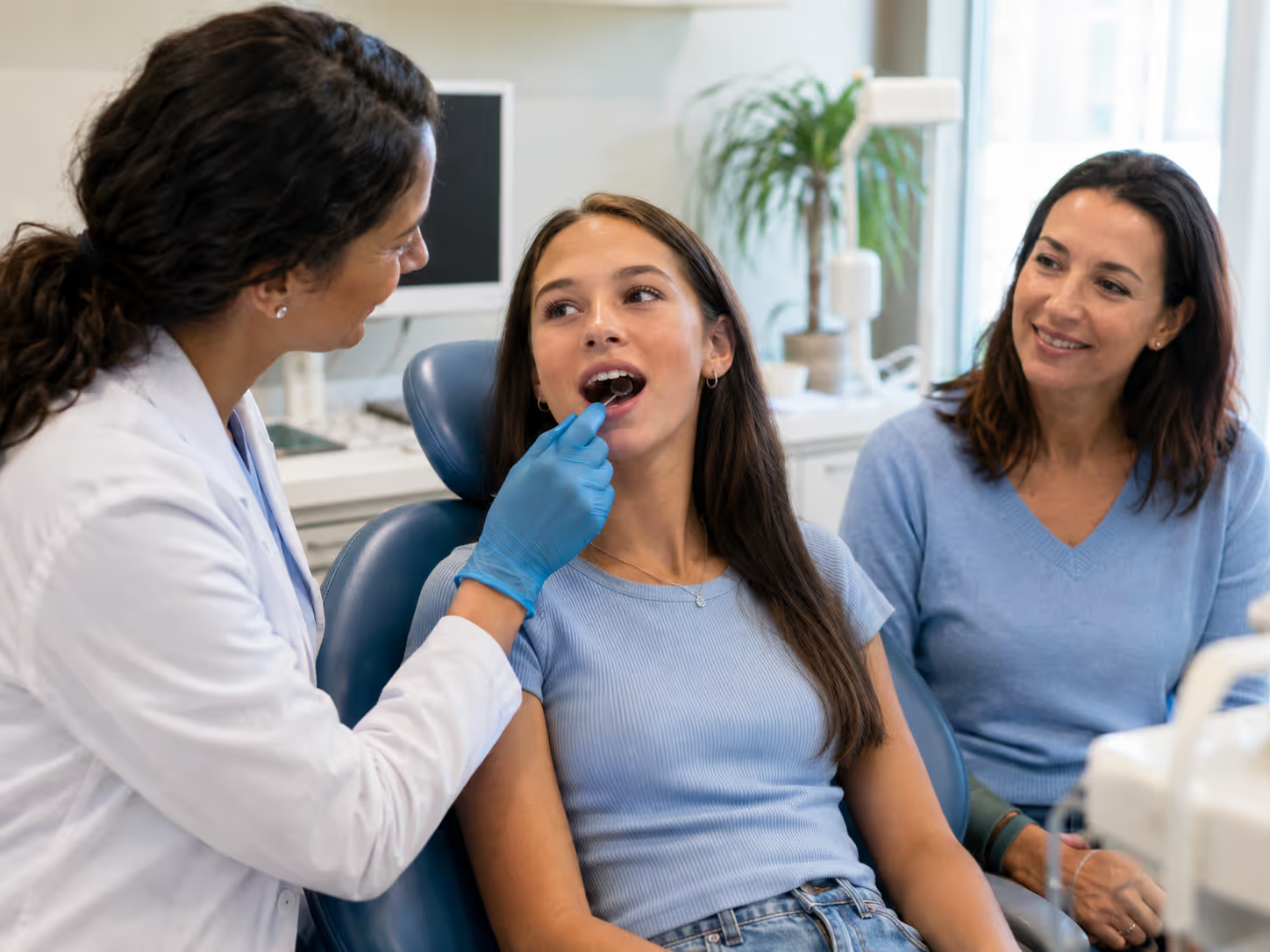
A consultation helps parents and teens understand what is actually needed.
The orthodontist will look at your teen’s teeth, bite, jaw relationship, and overall treatment goals. The visit may include photos, X-rays, digital scans, or other records.
For teens, the evaluation often focuses on whether the permanent teeth and bite are ready for full orthodontic treatment. It also helps determine whether braces, Invisalign, or another approach is most appropriate.
Parents can ask practical questions during the visit, such as:
- Which option would be more predictable for my teen?
- Is Invisalign realistic for this bite concern?
- How long might treatment take?
- What responsibilities come with each option?
- How should my teen manage brushing and flossing?
- What happens if an aligner is lost?
- Would braces make treatment simpler or more reliable?
Teens should also have space to ask questions. When teens understand the plan, they are more likely to cooperate with it.
At All Kids Dental, this conversation helps families compare braces and Invisalign without feeling rushed. The goal is not to push one treatment over another, but to understand which option fits your teen’s smile, bite, routine, and confidence.
Helping Your Teen Make the Right Choice
Choosing between braces and Invisalign is not about finding the “best” treatment overall. It is about finding the best fit for your teen.
Braces may be the better choice for teens who need a fixed option, have a more complex bite concern, or are not ready to manage removable aligners. Invisalign may be a good fit for responsible teens who want a less noticeable option and can follow the wear schedule carefully.
The best next step is an orthodontic evaluation.
At All Kids Dental, we help families in Aspen, Eagle, Glenwood Springs, Rifle, and nearby Colorado communities compare braces and Invisalign in a practical, teen-friendly way. We’ll explain what your teen’s smile needs, answer your questions, and help you choose a treatment plan with confidence.
FAQ: Braces vs. Invisalign for Teens
Is Invisalign better than braces for teens?
Not always. Invisalign can be a good fit for responsible teens, but braces may be better for teens who need more complex correction or who may not wear aligners consistently.
How do I know if my teen is responsible enough for Invisalign?
Look at your teen’s everyday habits. If they usually keep track of belongings, follow routines, and can commit to wearing aligners most of the day, Invisalign may be realistic. If they often lose items or need constant reminders, braces may be easier to manage.
Which is easier to keep clean: braces or Invisalign?
Invisalign can make brushing and flossing easier because the aligners are removable. Braces require more careful cleaning around brackets and wires. However, Invisalign also requires teens to brush before putting aligners back in after meals.
Can my teen play sports with braces or Invisalign?
Yes, many teens play sports with either option. Teens with braces may need an orthodontic mouthguard. Teens with Invisalign should ask the orthodontist when to wear or remove aligners during sports and how to store them safely.
Do braces or Invisalign hurt?
Both can cause temporary pressure or tenderness as teeth begin to move. This is usually part of the adjustment process, but parents should contact the orthodontic office if discomfort seems sharp, unusual, or does not improve.
How many hours a day does my teen need to wear Invisalign?
Many Invisalign or clear aligner treatment plans require aligners to be worn most of the day, often around 20 to 22 hours depending on the orthodontist’s instructions. Your teen’s orthodontist will explain the exact wear schedule.
What if my teen wants Invisalign, but I think braces are more realistic?
That is a good conversation to have during the consultation. The orthodontist can explain whether Invisalign is appropriate for your teen’s teeth and bite, and whether your teen’s routine makes aligners a realistic choice.
More Articles

.avif)
Get Started Today
.avif)

Call (970) 928-9500 with any questions.
We accept all insurance plans.
©2026 All Rights Reserved.